
My Research
My research is centered on the administrative presidency. My work examines theoretically and empirically how presidents use directives (executive orders, proclamations, memorandum, statements, findings, statements, and national security directives) administratively to establish and implement executive policy.
Unilateral Presidency
My research for The Dual Executive: Unilateral Orders in a Separated and Shared System of Power showed that when using directives as a unilateral tool, presidents are, as Richard Neustadt conceived, acting as both commanders and clerks. While the majority of directives are used to fulfill routine administrative obligations, they are also powerful executive policymaking tools which are frequently used as a legislative strategy.
Another area of my research studies Congress’s response to presidential directives. I study the strategic interplay between the two branches reveals how ideology and politics influence the pursuit of policy and the effectiveness of executive action. While Congress can ignore, overturn, or support presidential directives, I theorize that the use of directives as a legislative strategy and when they are introduced into the legislative process should influence Congress’s decision to incorporate the president’s policy into law. I empirically test my theory and find that Congress is more likely to adopt the president’s policy into law when directives are used as an agenda setting tool rather than to influence committee and floor action on bills. Congress’s collective ability to constrain the president is more likely when the government is unified, and members are able to unite to oppose the president’s policy. Importantly, when the president’s goal is to use directives to influence legislation, the effect is incremental rather than substantive.
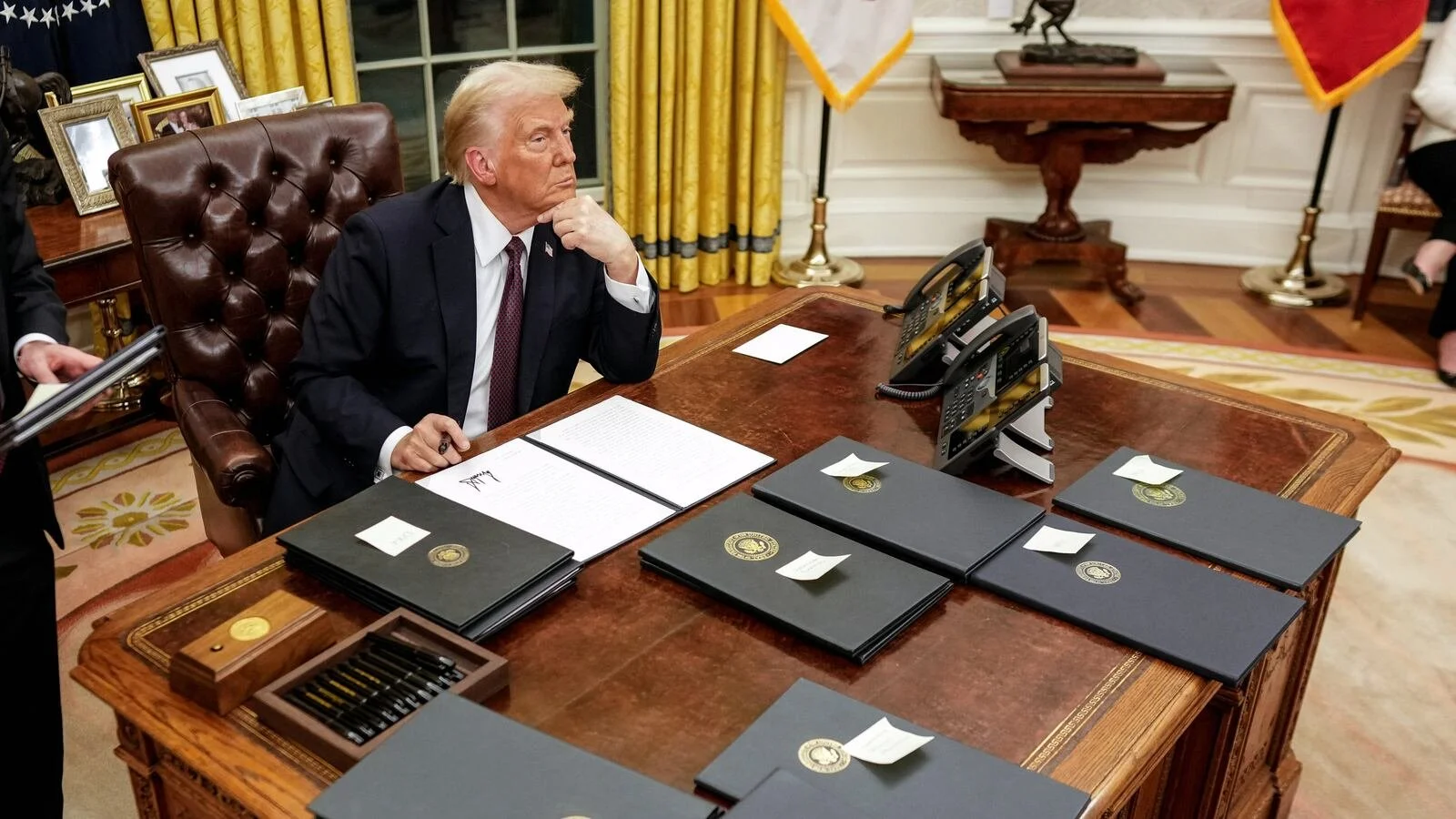
Administrative Presidency
A forthcoming book, The Administrative Presidency: Presidential Directives and Executive Policymaking considers how Presidents Nixon to Biden used directives to shape race policy. It delves deeply into the use of directives to investigate how presidents speak about race and when they use ceremonial or substantive policy. It looks within the executive branch to understand how presidents delegate authority and assign tasks in order for bureaucracy to carry out their orders. This research further analyzes directives within the separation of powers by exploring their use as a legislative strategy, Congress’s response, and the role of the Supreme Court.

Bureaucracy
In the administrative process, directives can be a formidable tool. Therefore, an important part of my research focuses on the implementation of directives. In my research I focus on the implementation of directives issued in the first 100 days. With the president as chief executive, he delegates authority and tasks to advisory committees, the White House, the Executive Office of the President, cabinet departments, executive agencies, independent agencies, independent regulatory commissions, and government corporations. The duration to implementation is dependent not only on who the task was delegated to but the task as well. In their directives, presidents assign tasks including program development and evaluation, reports and recommendations, guidance, rules ad regulations, and revoking guidance, rues and regulations. Although programs, reports, ad policy guidance can be changed without fanfare, rules and regulations are more time consuming because they must adhere to the processes required pursuant to the Administrative Procedure Act (APA).
Selected Research Publications

-
My research explores that when using directives, presidents are, as Richard Neustadt conceived, acting as both commanders and clerks. While the majority of directives are used to fulfill routine administrative obligations, they are also powerful executive policymaking tools which are frequently used as a legislative strategy.
-
A forthcoming book, The Administrative Presidency: Presidential Directives and Executive Policymaking considers how Presidents Nixon to Biden used directives to shape race policy. It delves deeply into the use of directives to investigate their ceremonial or substantive policy use. It looks within the executive branch to understand how presidents delegate authority and assign tasks in order for bureaucracy to carry out their orders. This research further analyzes directives within the separation of powers by exploring their use as a legislative strategy, Congress’s response, and the role of the Supreme Court.